As temperatures dip and the leaves begin to change, road conditions shift in ways that can surprise even the most experienced drivers. Deer become more active, wet leaves turn slick, and shorter days mean more time behind the wheel in the dark. Here’s what to watch for this season—and how to stay safe when the scenery turns golden.
Watch for Deer on the Move
Fall is peak deer season. You’re most likely to spot them at dawn and dusk, especially near wooded areas or where deer crossing signs are posted. If you need to stop, switch on your hazard lights to alert drivers behind you.
Keep these tips in mind:
- Expect company: Deer often travel in groups. If one crosses your path, more are likely to follow.
- Don’t swerve: Swerving can confuse the animal or put you in danger of oncoming traffic. Instead, slow down steadily and let the deer pass.
- Check your coverage: Collisions with deer are usually covered by comprehensive insurance, not liability. Review your policy to make sure you’re protected.
Beware of Leaf Trouble
Fallen leaves may be beautiful, but they can also be dangerous. Whether wet or dry, they pose different kinds of hazards.
Wet Leaves
When soaked, leaves can be as slippery as ice—and they can block drains, leading to puddles and hydroplaning risks. Keep your tires properly inflated for better traction. If your tires lose grip:
- Ease off the accelerator; don’t slam the brakes.
- Use gentle steering motions toward your intended path.
- Once traction returns, resume driving normally.
Dry Leaves
Dry leaves and heat don’t mix. Avoid parking over leaf piles—your exhaust or catalytic converter could ignite them, even when the engine is off. Keep leaves away from garages and undercarriages to prevent potential fire hazards.
Around Your Car
Leaves can clog air filters, radiators, and windshield gullies. Clean them off regularly to prevent moisture buildup, unpleasant odors, or long-term damage to your car’s paint and electronics.
Hidden Hazards Beneath the Leaves
Thick layers of leaves—or later, snow—can hide potholes, curbs, and lane markings. Drive cautiously, increase your following distance, and slow down near leaf piles (children often play in them). Keep an eye out for distracted drivers admiring the scenery.
Adjust to Early Darkness
When daylight saving time ends, many evening commutes happen after dark. Before that happens, make sure your headlights and brake lights are in good working order.
- Drive at a speed that allows you to stop within your headlight range.
- Use high beams when it’s safe, but dim them for oncoming traffic.
- Stay alert for pedestrians and pets, especially around dusk and dawn.
Reduce Sun Glare
With the sun sitting lower in the sky, morning and evening glare can be blinding. Keep sunglasses handy, clean your windshield inside and out, and use your visor effectively. Replace old wiper blades if they streak. If glare becomes intense, slow down and increase your following distance.
Handle Fog and Frost Safely
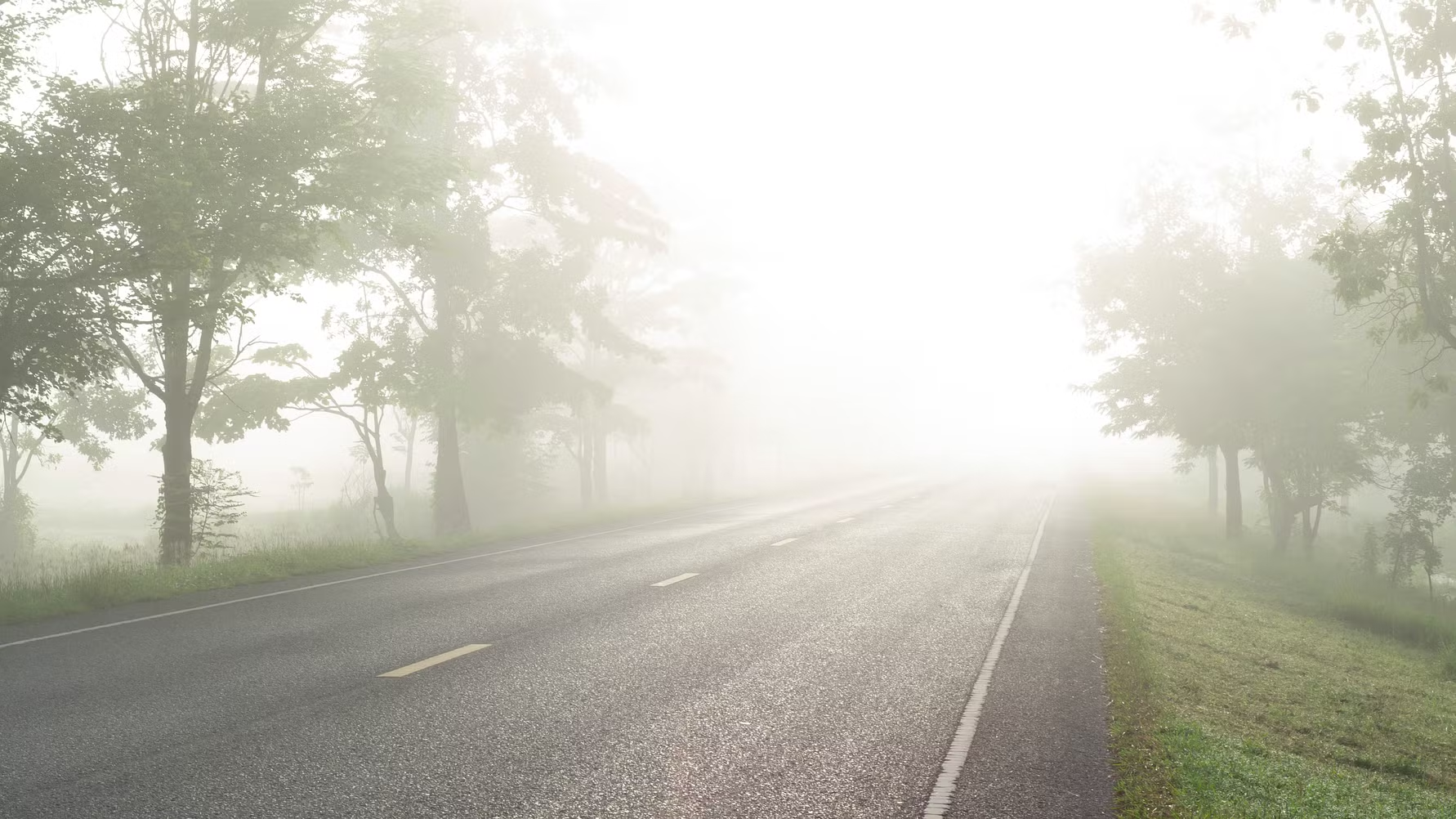
Foggy and frosty mornings can appear suddenly and reduce visibility fast. Always clear foggy or icy glass before driving. Use your defroster, a scraper, or a homemade de-icer (three parts vinegar to one part water).
If it’s foggy:
- Turn on your fog lights—never your high beams, which reflect off fog and worsen visibility.
- Crack a window or adjust your defroster to balance the temperature inside and out.
- Remember: frost on your windshield means bridges and overpasses may also be icy.
Keep an Eye on Tire Pressure
Cold air causes tire pressure to drop—about one PSI for every 10°F decrease. Low pressure affects traction, braking, and fuel economy, so check your tires regularly and inflate them to the recommended levels.
Share the Road with School Buses
Back-to-school season adds more traffic to the morning and afternoon commute. Know the signals:
- Yellow flashing lights: The bus is preparing to stop.
- Red lights and extended stop arm: Children are getting on or off. Stop completely—never pass.
Visibility is often poor during early and late hours, so stay alert for children crossing or walking near the bus.
Don’t Forget Your Insurance
Even the safest drivers can’t avoid every risk. Take a few minutes to confirm that your auto insurance is current and that you have the right coverage in case of unexpected accidents.
Drive carefully and enjoy the season—safe travels this fall!